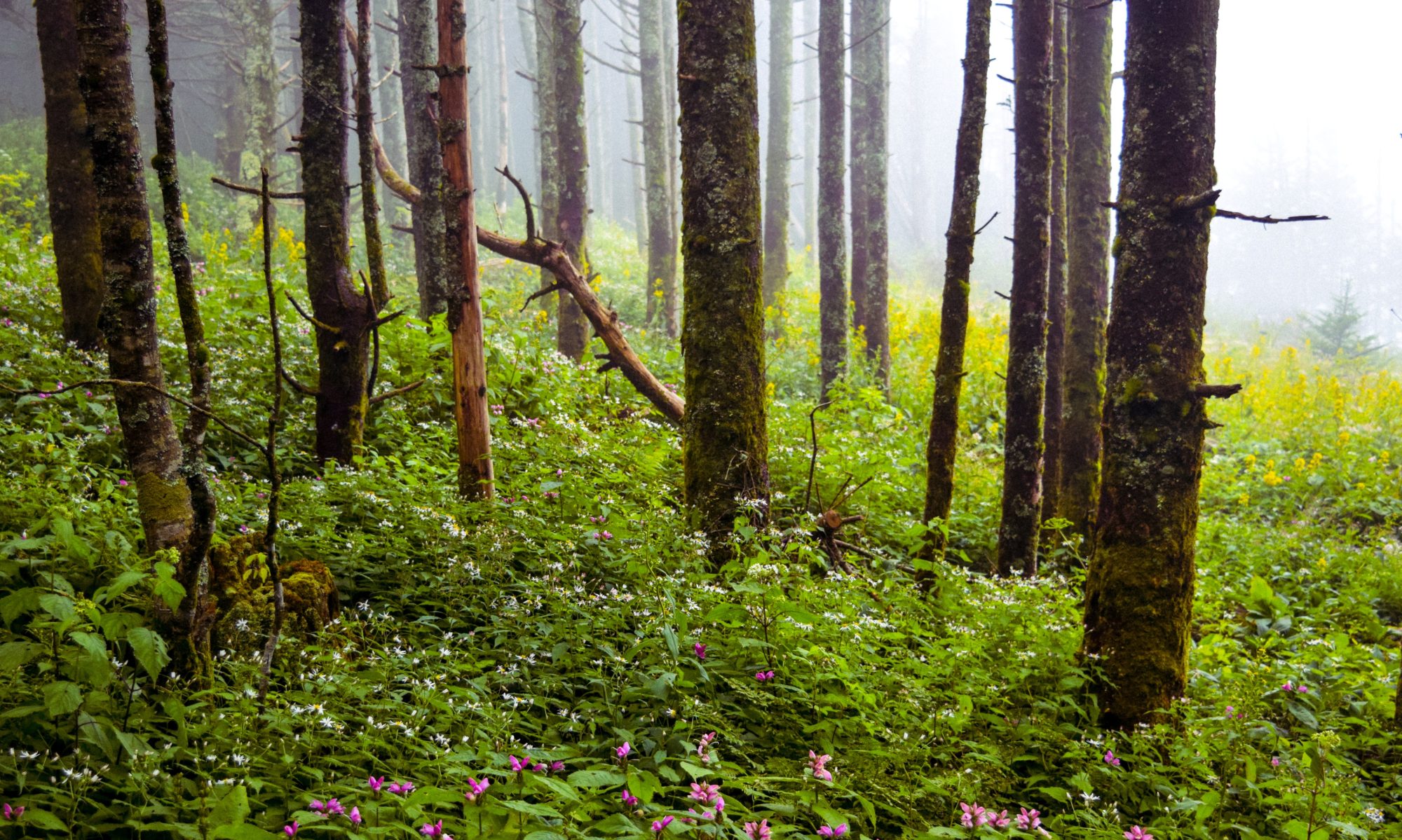

In mid-August, the US Forest Service announced that is seeking input on a proposal to require bear-resistant food containers for all overnight campers on the Appalachian Trail located in the North Carolina National Forests. The obligation would also be applied to the Panthertown Valley near Cashiers, NC. The backpacking public is encouraged to submit written comments by September 19, 2018 to comments-southern-north-carolina-nantahala-nantahala@fs.fed.us email address. Please reference “Bear-Resistant Food Container Requirement” in your subject.
Context for the need is that visitors to the NC National Forests have experienced an increasing number of black bears encounters involving food over the past few years. Most are at places where the public repeatedly camps in the general forest, such as along the A.T., rather than at campgrounds that are equipped with bear-proof trash cans. The incidents include bears taking food and backpacks, damaging tents, and staying near inhabited campsites for hours. While the loss of food is inconvenient for humans, the potentially serious encounters with bears needs to be addressed by eliminating human behaviors which lead bears to see people as a source of food. Secure storage for food and scented items (toothpaste, deodorant, beverages, or snacks) which is then placed away from the immediate camping location can help discourage this conduct.
Georgia National Forests already require the use of bear-resistant food containers when overnighting in a designated A.T. section during the spring months with a $5,000 fine per individual and $10,000 per organization. The proposal by North Carolina Forests is continuation of that approach as overnight use of the Appalachian Trail is typically dispersed.
North Carolina has not yet established a list of approved storage systems (would be part of the next phase once a decision is made to proceed). Here is a list certified by the Interagency Grizzly Bear Committee.
Pro or con… now is the time to provide specific comments to determine if and how this policy proposal proceeds.
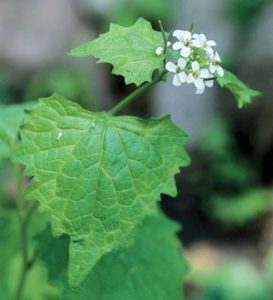 Roan Mtn State Park, Southern Appalachian Highlands Conservancy, ATC, TEHCC, and other groups are partnering to work this day. Meet at 8:30 am in Colonial Heights to arrive at Roan Mtn State Park main entrance by 10 am for briefing and to receive heavy duty trash bags. We’ll pull until early afternoon, and then drop off the collected plants back at the park before heading home. Last year 634 pounds of garlic mustard was pulled. Rain date is Wednesday, May 2.
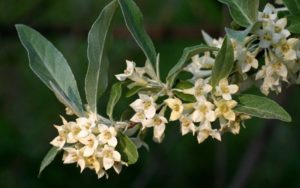 Many plants imported to the US can outcompete native species and these plants are called invasive species. One invasive plant that is still being propagated in the US is the Autumn or Russian Olive. On April 28, TEHCC will be removing Autumn Olive as well as picking Garlic Mustard. Invasive species spread by a variety of methods. Garlic Mustard seeds attach themselves to clothes and animal fur, which are picked up in one place and dropped in another. Russian Olive was imported as a large shrub which can provide food and cover for birds. As birds travel the Atlantic flyway, they deposit seeds from Autumn Olive plants along the flyway corridor, which includes the Appalachian Trail.
 Celebrate the National Trails System Act in 2018